


Automotive manufacturing has never been more electrifying. With the green revolution gaining traction and electric vehicle manufacturing at the forefront, the industry’s future is not only about sustainability but also about a radical transformation in the way automobiles are designed, built, and delivered. In our digital age, the convergence of electric vehicles and advanced technology is redefining the manufacturing landscape, heralding the years of digital transformation in the industry.
The global automotive industry has seen a noticeable pivot towards electric vehicles. This shift is not just about reducing carbon footprints; it’s a direct response to customer demands for cleaner, more efficient vehicles. The electric vehicle market in the United States is forecast to reach $82.8 billion in 2024.
One of the cornerstones of this growth is government policy. Countries are making significant investments to encourage the adoption of EVs, from tax incentives to building out charging infrastructure. The private sector is also driving the change, with companies like Tesla and traditional automakers investing billions in electric vehicle research and production.
In light of this momentum, manufacturing is undergoing a tectonic shift. Suppliers and manufacturers in the automotive space are retooling, retraining their workforce, and reimagining their processes to stay competitive.
Across the world, electric vehicles are dominating conversations about modernization and building a more sustainable world. They’re poised to change the automotive industry as we know it. The United States has quickly become a hub of electric vehicle development. Under the Build Back Better plan, President Joe Biden has set a goal for half of all new vehicles sold in the U.S. in 2030 to be zero-emissions vehicles.
While people usually think of the West Coast and Silicon Valley as the predominant engine of technological advancement, the Southeastern US is quickly developing its own reputation in the electric vehicle movement.
The Southeast (Alabama, Florida, Georgia, North Carolina, South Carolina, and Tennessee) has captured about 40% of all the nation’s investment in EV and battery manufacturing and about 35% of all the jobs, despite comprising only about 18% of the nation’s population.
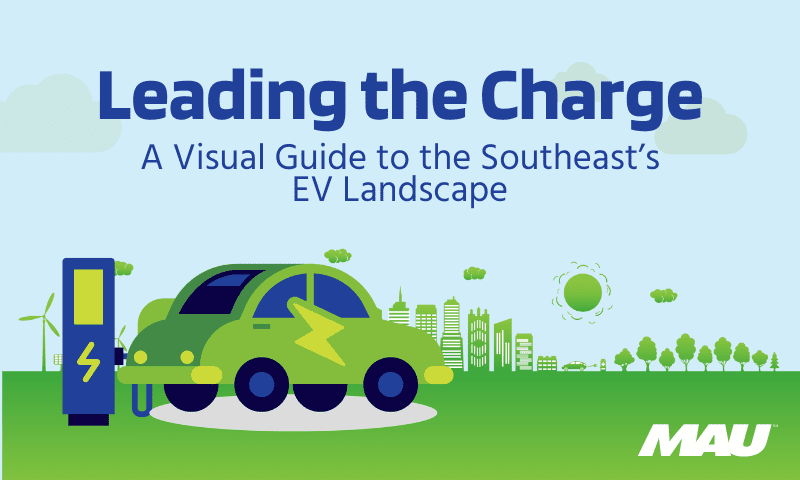
To better understand the electric vehicle industry in the Southeast, MAU has created “Leading the Charge: A Visual Guide to the Southeast’s Electric Vehicle Landscape”. Download to learn more about how the Southeast is shaping the future of electrification.


An RPO partner takes ownership of a plant's entire hiring process, from requisition to offer. Here is how RPO works and the signals that point to needing it.

Manufacturing floors today often include three generations working side by side, each shaped by a different economic upbringing and each wanting something different from the job.
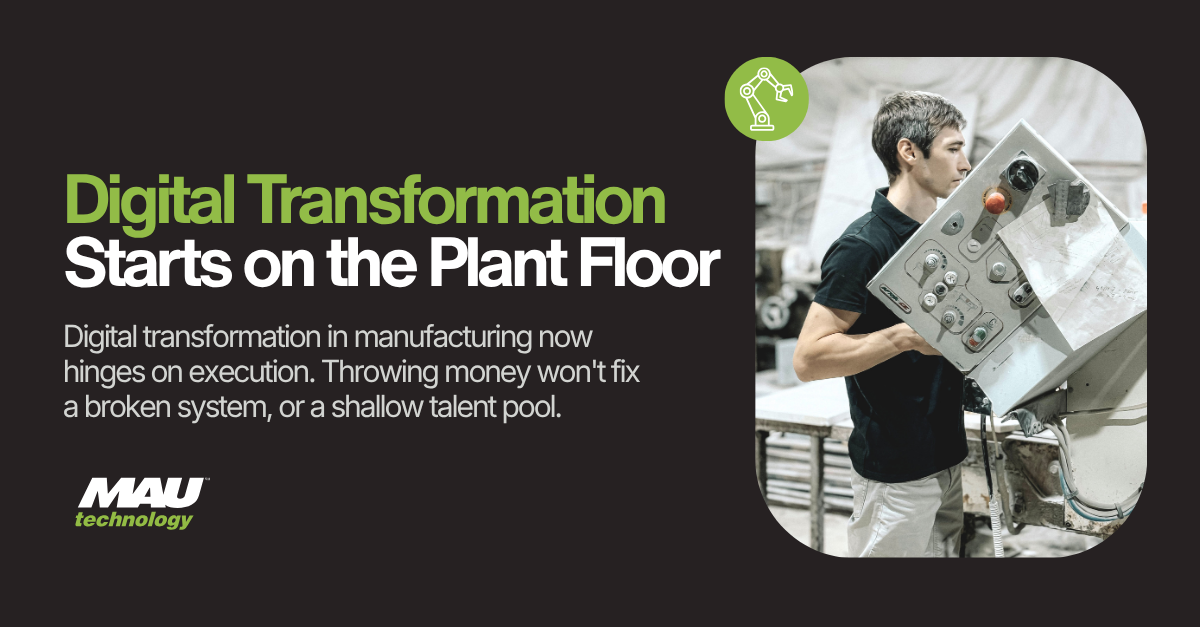
Digital transformation in manufacturing comes down to three things: scalable processes, usable data, and the right mix of talent.


