


The electric vehicle (EV) industry is rapidly growing, with the market expected to increase from its current value of $287.36 billion to over $1.3 trillion in 2028. As manufacturers look to join this evolving sector, it’s crucial to understand the factors driving growth, benefits, challenges, and the impact on automotive suppliers.
Major car companies like Tesla, Nissan, and Chevrolet are leading the way in EV production, with improved battery range, faster charging times, and government incentives making them more viable for consumers. As the industry advances, we can anticipate further innovations and breakthroughs.
According to the J.D. Power 2023 U.S. Electric Vehicle Consideration (EVC) Study, 26% of shoppers say they are “very likely” to consider purchasing an EV, up from 24% a year ago, while the percentage of shoppers who say they are “overall likely” to consider purchasing an EV increases to 61% from 59% in 2022.
EVs offer potential cost reductions for manufacturers, as they require fewer parts and maintenance components than gas-powered vehicles. As technology improves, EVs are becoming more efficient and easier to produce, leading to increased consumer demand for eco-friendly transportation.
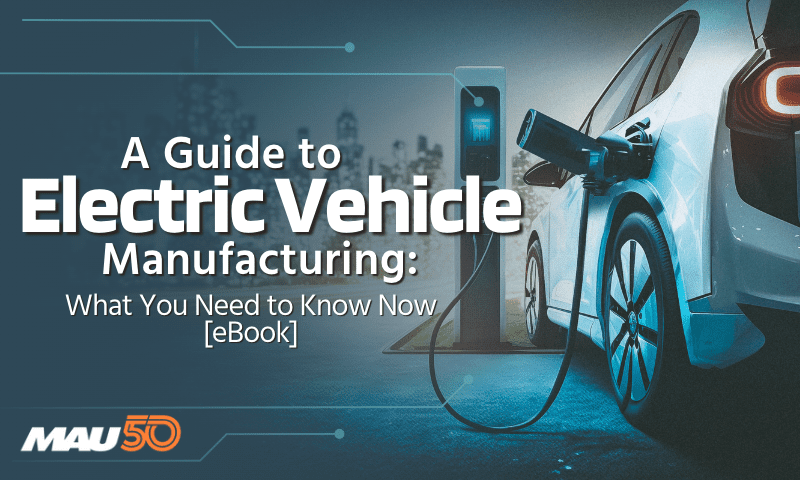
Advancements in battery technology, government incentives, and increasing concern about climate change have contributed to the growth of the EV manufacturing industry. These factors have created an environment for innovation and competition among manufacturers, focusing on improving the quality and affordability of EVs.
As the automotive industry evolves towards EVs, suppliers must redefine their strategies to remain competitive. This shift presents new opportunities for suppliers to provide innovative electric drivetrains, battery systems, and charging infrastructure solutions. To adapt, suppliers must invest in R&D and establish partnerships with EV manufacturers.
Some challenges facing the EV manufacturing industry include high production costs, inadequate charging infrastructure, and competition from traditional automakers. However, despite these obstacles, the future of the EV manufacturing industry remains bright as manufacturers work to overcome these challenges and continue producing sustainable transportation solutions.
As the EV industry continues to grow, it’s essential to stay informed and understand the various aspects of EV manufacturing. To learn more about electric vehicle manufacturing, download our ebook: A Guide to Electric Vehicle Manufacturing – What You Need to Know Now.


An RPO partner takes ownership of a plant's entire hiring process, from requisition to offer. Here is how RPO works and the signals that point to needing it.

Manufacturing floors today often include three generations working side by side, each shaped by a different economic upbringing and each wanting something different from the job.
Digital transformation in manufacturing comes down to three things: scalable processes, usable data, and the right mix of talent.


